Dental Implant Procedure: What Really Happens and What It Feels Like
Posted on 6/1/2026 by Dental Care of Burlington |
Are you thinking about a dental implant procedurebut unsure what really happens during the appointment? Do you wonder if dental implant surgery hurts or how long the dental implant process takes? These questions are very common.
At Dental Care of Burlingtonin Burlington, Massachusetts, many patients ask Dr. Shaibani what to expect before they commit to a dental implant procedure. The truth is that the process is more comfortable and predictable than most people imagine.
Dental implants replace a missing tooth with a strong, natural-looking solution. When we plan the procedure carefully, the results often feel very similar to your natural teeth.
Let's walk through the entire experience, from consultation to your final new tooth.
Dental implant procedure: what actually happens?
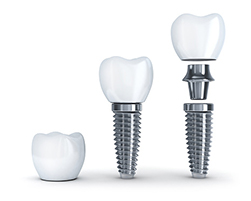
The dental implant procedure replaces the root of a missing tooth with a titanium implant. That implant supports a new artificial tooth designed to match your smile.
During dental implant surgery, we place a small titanium implant body into the jawbone. Over time, bone grows around the implant and secures it in place.
This process creates a strong base for your custom crown or new tooth.
A typical implant procedure involves several stages:
| • |
Consultation and imaging
|
| • |
Implant placement
|
| • |
Healing period
|
| • |
Abutment placement
|
| • |
Final crown placement |
At Dental Care of Burlington in Burlington, Massachusetts, Dr. Shaibani carefully plans each step so the implant fits comfortably and functions like your own teeth.
Am I a candidate for dental implants?
Many people wonder if they are candidates for dental implants.
The best candidates usually have:
| • |
Healthy gum tissue
|
| • |
Adequate jawbone support
|
| • |
Good overall oral health |
A consultation allows us to evaluate these factors. During your visit to Dental Care of Burlington, Dr. Shaibani reviews:
| • |
Your dental history
|
| • |
Current condition of your teeth
|
| • |
Bone structure in the upper or lower jaw |
We may take dental X-rays or digital scans to understand your bone structure.
If bone loss is present, bone grafting may help rebuild the area before we place dental implants.
What happens during the dental implant consultation?
Every successful implant begins with a thorough consultation. At Dental Care of Burlington in Burlington, Massachusetts, Dr. Shaibani evaluates your missing tooth, your bite, and the health of the surrounding teeth. This visit helps us build a treatment plan tailored to your needs.
During the consultation, we often perform:
| • |
Digital scans or dental X rays
|
| • |
Evaluation of overall oral health
|
| • |
Assessment of bone density |
These steps allow us to map the exact implant placement location.
Careful planning reduces the risk of implant failure and ensures your implant becomes a long-lasting tooth replacement.
What happens during dental implant surgery?
Many patients worry about dental implant surgery, but it is typically a straightforward, minor surgery.
The procedure takes place under local anesthesia, so the area becomes numb. Most patients feel pressure during implant surgery, but not pain.
During the procedure, Dr. Shaibani or an oral surgeon places the titanium implant body into the jawbone at the implant site.
The procedure is often performed as outpatient surgery, meaning you return home the same day.
Once the implant is placed, the surgical site begins the healing phase.
 Does the dental implant procedure hurt?
This is one of the most common questions. Most patients report that the dental implant procedure feels easier than expected.
During the surgery, local anesthesia prevents pain. After the implant procedure, mild soreness or minor bleeding may occur.
Common recovery experiences include:
| • |
Mild swelling
|
| • |
Minor soreness
|
| • |
Sensitivity near the implant site |
Over-the-counter medication usually manages discomfort.
Many patients return to work the next day after implant surgery.
How long does the dental implant process take?
The entire dental implant process happens in stages.
First comes the implant placement surgery. After surgery, the implant heals and integrates with the bone.
This healing stage usually takes three to four months.
During this time the:
| • |
Bone attaches to the implant body
|
| • |
Surgical site heals
|
| • |
Implant becomes stable |
This bonding process is called osseointegration. It creates the strong base needed to support your new artificial tooth.
What happens after the implant heals?
Once the implant heals, we move to the next step, abutment placement.
An implant abutment connects the implant to the final tooth restoration.
This small connector holds the custom crown in place.
The dental abutment allows the final tooth to sit naturally within the bite.
At this stage, impressions are sent to a dental lab to design your permanent crown.
When do I get the final crown?
Once the implant has fully integrated with the bone, we attach the final crown.
This custom crown is carefully shaped to match the size and color of your natural teeth.
Your new tooth looks and functions just like a real tooth.
The crown is either cemented or permanently screwed onto the implant abutment.
At this point, the entire dental implant process is complete.
Patients often say their implant feels just like their own teeth.
What if I wear dentures now?
Patients who wear dentures sometimes consider implants for added stability.
Implants can support full mouth dental implants or stabilize existing dentures.
This approach helps patients who struggle with loose removable dentures.
Benefits include:
| • |
Improved chewing ability
|
| • |
Increased comfort
|
| • |
Greater confidence when speaking
|
| • |
Implants provide a solid foundation that keeps dentures secure. |
What if bone grafting is needed?
Sometimes, bone loss occurs after a missing tooth remains untreated.
In these cases, bone grafting may be necessary before implant surgery.
Bone grafting helps rebuild bone structure, so implants have proper support.
This procedure encourages bone growth around the future implant site.
Although it adds an extra step, it often improves long-term implant success.
What helps prevent implant failure?
Although rare, implant failure can occur if proper care is not maintained.
Successful implants depend on:
| • |
Healthy gums
|
| • |
Strong bone support
|
| • |
Good hygiene habits |
The American Dental Association recommends consistent oral hygiene and regular dental visits.
Patients should also continue to visit their dentist regularly to monitor the implant.
These steps help protect the implant and surrounding teeth.
 How do dental implants improve oral health?
Replacing a missing tooth does more than improve appearance.
Dental implants protect long-term oral health.
They help prevent:
| • |
Shifting of remaining teeth
|
| • |
Jawbone shrinkage
|
| • |
Bite misalignment |
Because implants act like an artificial tooth root, they help maintain bone strength and protect surrounding structures.
What does the healing process feel like?
Most patients describe the healing process as manageable.
After surgery, we recommend:
| • |
Eating soft foods for several days
|
| • |
Avoiding pressure near the implant
|
| • |
Following aftercare instructions |
Sometimes we prescribe antibiotics to support healing.
Within a few days, the gums begin to recover, and normal routines resume.
What makes dental implants different from other tooth replacement options?
Compared to bridges or dentures, dental implants offer a unique advantage.
They replace both the visible tooth and the root.
This means the implant supports bone structure and keeps surrounding teeth stable.
Most dental implants last for decades with proper care.
For many patients, implants provide the most natural feeling tooth replacement option available.
Your next step toward restoring your smile
Understanding the dental implant procedure can make the decision much easier.
At Dental Care of Burlington in Burlington, Massachusetts, Dr. Shaibani carefully plans each implant treatment to ensure predictable results.
From consultation to final crown placement, the entire dental implant process focuses on comfort, precision, and long-term stability.
If you’ve been living with a missing tooth or struggling with dentures, implants may provide the solution you've been looking for.
Have you been putting off a dental implant procedure because you weren't sure what the experience would be like?
What questions do you still have about the process or recovery?
Key Takeaways
| • |
The dental implant procedure replaces a missing tooth root with a titanium implant
|
| • |
Dental implant surgery is usually performed with local anesthesia
|
| • |
Healing takes several months as bone bonds with the implant
|
| • |
A custom crown creates a natural-looking final tooth
|
| • |
Bone grafting may help patients with bone loss
|
| • |
Dental implants protect oral health and stabilize surrounding teeth |
|
|